

Baking soda, a common household staple, is known for its versatility. Beyond its culinary uses, it’s increasingly recognized for its teeth-whitening potential. But is whiten teeth with baking soda truly effective? Are there any health risks involved? Today, Joy International Dental Clinic will explore five of the most effective ways to whiten your teeth using baking soda.
1. What Exactly is Baking Soda?
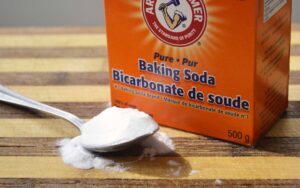
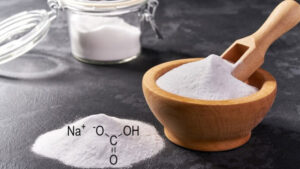
Baking soda, also known as sodium bicarbonate (NaHCO3), is a white, finely powdered chemical compound with a slightly salty taste and alkaline properties. It goes by other names like cooking soda or bicarbonate of soda.
Baking soda possesses the ability to neutralize acids, absorb moisture, and dissolves poorly in cold water but more readily in hot water. These characteristics make it widely applicable in cooking (as a leavening agent), household cleaning, health care (relieving heartburn, oral hygiene), and beauty (exfoliation, teeth whitening).
However, it’s crucial to exercise caution with dosage to avoid unwanted side effects.
2. Is Regular Baking Soda Use Safe?
The safety of regular baking soda use depends on the intended purpose and how you use it. This versatile ingredient has various applications, including baking, cleaning, relieving heartburn, oral hygiene, and beauty treatments.
However, overusing or misusing it can be harmful. For instance, using it too frequently for brushing can erode tooth enamel, leading to sensitivity. Applying it directly to the skin can cause irritation. Consuming excessive amounts can disrupt digestion and alter the body’s pH balance.
Therefore, it’s essential to adhere to proper dosages, dilute it when necessary, consult with professionals, and discontinue use if any adverse reactions occur. For teeth whitening specifically, limit usage to 2-3 times per week, brush gently, and ideally combine it with toothpaste.
3. Top 5 Ways to Whiten Teeth with Baking Soda
General Precautions:
Before delving into the methods, it’s vital to reiterate some key precautions:
- Enamel Erosion: Baking soda is mildly abrasive. Frequent or vigorous use can damage the protective enamel layer of your teeth.
- Gum Irritation: Avoid direct contact with your gums, as it can cause irritation.
- Sensitivity: If you have sensitive teeth, proceed with extreme caution or avoid these methods altogether.
- Consult Your Dentist: This is paramount. A dentist can assess your oral health and provide personalized recommendations.
3.1 Whiten Teeth with Baking Soda and Lemon
This combination offers a potent at-home whitening solution. By combining these two ingredients, you can effectively remove plaque and surface stains.
- Instructions:
- Mix 1 teaspoon of baking soda with a small amount of lemon juice to create a thick paste.
- Using a cotton swab or a soft-bristled toothbrush, gently apply the mixture to the surface of your teeth.
- Leave the mixture on for approximately 2 minutes.
- Thoroughly rinse your mouth with clean water.
Due to the high acidity of both lemon and baking soda, this method should be used sparingly, no more than 2-3 times per week, to prevent enamel erosion.

3.2 Whitening Teeth with Baking Soda and Colgate Toothpaste
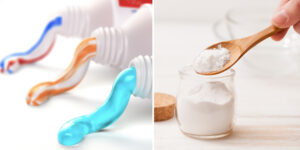
If you desire a naturally brighter smile without using highly acidic substances, combining baking soda with Colgate toothpaste is an excellent option.
Baking soda’s natural whitening properties help eliminate stains and plaque from the tooth surface, while Colgate toothpaste helps prevent plaque and bacteria buildup, promoting healthier and more beautiful teeth. However, this method requires patience. Consistent use for about a month is recommended to see noticeable results.
- Instructions: Simply apply toothpaste to your toothbrush and sprinkle a small amount of baking soda on top. Brush as usual once a day. Avoid using pure baking soda alone, as it can be too abrasive.
3.3 Whitening Teeth with Baking Soda and Vinegar (Preferably Apple Cider Vinegar)
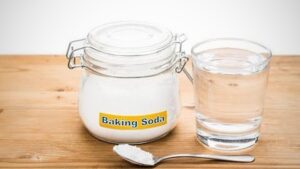
This method works best with apple cider vinegar, which has a gentle acidity that can help remove surface stains. However, vinegar has a distinct, unpleasant odor. Additionally, the combined acidity of vinegar and baking soda can erode enamel if not used correctly. Diluting the vinegar with water is crucial.
- Instructions: Mix ½ teaspoon of baking soda with a small amount of diluted apple cider vinegar to form a paste. Gently brush your teeth with the mixture and rinse thoroughly.
3.4 Whitening Teeth with Baking Soda and Strawberries
Strawberries are not only nutritious and delicious but also contain antioxidants and malic acid, which contributes to their teeth-whitening capabilities.
- Instructions: Mash or blend fresh strawberries and mix them with a small amount of baking soda to create a paste. Apply the mixture evenly to your teeth for 4-5 minutes, then rinse thoroughly with water or mouthwash.

3.5 Whitening Teeth with Baking Soda and Coconut Oil
Both coconut oil and baking soda possess whitening properties, making them a viable combination. This method is considered gentler and less abrasive than some others.
- Instructions: Combine ½ teaspoon of baking soda with 1 teaspoon of coconut oil. Gently brush your teeth with this mixture for 2 minutes and rinse thoroughly. Consistent use is necessary for noticeable results.
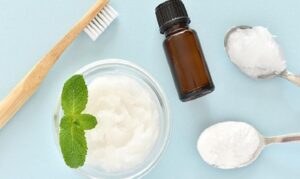
4. Important Precautions When Whitening Teeth with Baking Soda
Whitening teeth with baking soda is a popular method, but it’s crucial to observe certain precautions for safe and effective results.
As mentioned, baking soda is mildly abrasive. Overuse (more than 2-3 times per week) or excessive scrubbing can erode enamel, causing sensitivity and increasing the risk of cavities. Therefore, always dilute baking soda with water or toothpaste, brush gently for 1-2 minutes, and rinse thoroughly.
When combining baking soda with other ingredients like lemon, vinegar, or strawberries, exercise extra caution. Lemon and vinegar are highly acidic and can harm enamel if used incorrectly, especially on sensitive teeth. Strawberries are gentler but may not provide dramatic whitening. Combining baking soda with toothpaste is generally the safest approach.
Most importantly, if you have any existing oral health issues, consult your dentist before attempting any at-home whitening methods. Baking soda is a supplementary method and cannot replace daily oral hygiene practices and regular dental checkups.
Conclusion
This guide has hopefully provided you with a comprehensive understanding of teeth whitening using baking soda. While it can offer a temporary solution, professional dental treatments are recommended for sustainable and healthy results. Joy International Dental Clinic, with its experienced dentists and modern equipment, is committed to providing you with the best dental care. Contact us today for a free consultation and examination. We are dedicated to your bright and healthy smile.