
Dental crowns have become one of the most modern and effective methods in the field of restorative dentistry. This technique not only restores chewing function but also greatly improves the aesthetic appearance of your smile. However, many people still wonder: Does getting a dental crown hurt? And what can be done to minimize discomfort?If you’ve been curious about this topic, don’t miss this comprehensive guide from Joy International Dental Clinic.
1. What is Dental Crown Implantation?
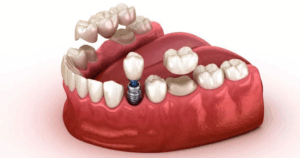
Dental crown implantation is a modern dental restoration method designed to replace missing or damaged teeth. It involves the use of porcelain crowns to restore both functionality and aesthetics. Currently, there are two main approaches:
-
Dental Bridge: This method is suitable when one or two adjacent teeth are missing. The dentist grinds down the neighboring teeth to serve as anchors and places a multi-unit crown (bridge) over them.
-
Dental Implant: In this advanced method, a titaniuxm post is surgically inserted into the jawbone to serve as a tooth root. A porcelain crown is then attached to the implant. This is considered a comprehensive solution, offering a long lifespan and helping to prevent bone loss.
Both methods significantly improve chewing ability and restore the natural beauty of your teeth. However, since the procedures involve manipulation of oral tissues, some degree of discomfort may occur, which often makes patients hesitant.
2. Does Dental Crown Implantation Hurt?
2.1 Dental Crown With Bridges
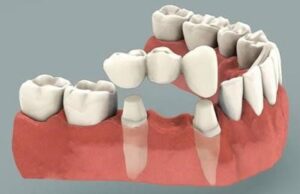
When getting a dental bridge, your dentist will need to grind down the adjacent teeth to create a stable base for the bridge. This process is performed under local anesthesia, so you won’t feel any pain during the procedure. However, once the anesthetic wears off, you may experience mild soreness or sensitivity—especially when eating hot or cold foods.
Fortunately, this discomfort usually lasts only 1–3 days and gradually subsides as your teeth adapt to the crown. With proper aftercare and treatment at a reputable dental clinic, any pain will be minimal and unlikely to disrupt your daily life.
2.2 In the Case of Dental Implants
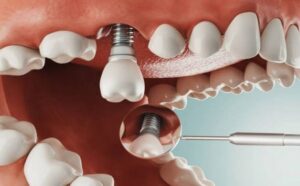
The implant procedure is more complex. It involves placing a titanium post into your jawbone, which is a more invasive technique. During the procedure, local anesthesia is used, and in some cases, mild sedatives may be administered to ensure your comfort.
Post-operative symptoms such as mild swelling, soreness, or heaviness in the jaw may occur for 2–5 days. These reactions are completely normal following a surgical procedure. With proper care and prescribed medication, these symptoms typically subside within a week.
3. Factors That Affect the Level of Pain During Dental Crown Implantation

Pain levels can vary greatly depending on several individual factors, including:
-
Dentist’s Skill: An experienced dentist with precise techniques can minimize soft tissue damage and reduce pain significantly.
-
Patient’s Pain Threshold: People with a lower tolerance for pain or more sensitive physiology may experience greater discomfort.
-
Oral Health Status: Pre-existing conditions such as severe cavities, inflammation, or weak gums can increase post-procedure pain.
-
Technology and Equipment Used: Modern equipment ensures higher accuracy and shorter procedure times, which contribute to less discomfort.
-
Post-Treatment Care: Ignoring the dentist’s instructions can prolong healing, increase the risk of infection, and intensify pain.
4. How to Reduce Pain After Dental Crown Implantation
4.1 Follow the Dentist’s Instructions
After the procedure, your dentist will provide you with medication and aftercare instructions. Taking medication exactly as prescribed is critical to managing pain effectively. Never skip doses, exceed the recommended amount, or self-medicate with over-the-counter drugs without your dentist’s approval, as it may lead to allergic reactions or other health risks.
4.2 Apply Cold Compress

Cold compressing during the first 24–48 hours can help relieve pain and swelling. Here’s how to do it correctly:
-
Wrap an ice pack in a soft cloth to avoid direct contact with the skin.
-
Apply for 10–15 minutes at a time, multiple times a day if needed.
-
Do not use hot compresses during this period as they may worsen inflammation.
4.3 Adopt a Soft Diet

After the crown placement, avoid hard, chewy, or extreme-temperature foods. Opt for soft and nutritious meals like porridge, soup, yogurt, smoothies, or milk. These help promote healing and reduce stress on the newly treated area. Also, try to chew on the opposite side of the crown to avoid unnecessary pressure.
4.4 Practice Good Oral Hygiene
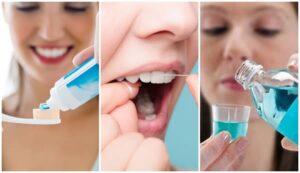
Proper oral hygiene not only prevents infection but also minimizes discomfort:
-
Use a soft-bristled toothbrush and brush gently, avoiding the treated area.
-
Rinse your mouth with saline solution or antiseptic mouthwash to eliminate bacteria.
-
Avoid using toothpicks or hard objects. Use dental floss instead to clean between teeth.
4.5 Attend Follow-up Appointments
Follow-up visits are essential. They allow your dentist to monitor the healing process and ensure the crown or implant remains securely in place. If you experience prolonged pain or unusual symptoms, timely intervention can prevent complications.
Conclusion
Through this comprehensive guide from Joy International Dental Clinic, we hope you now have a clearer understanding of whether dental crown implantation is painful. The truth is, with modern dental techniques and proper care, the discomfort is manageable and short-lived. So, there’s no need to worry or hesitate.
To ensure a smooth and pain-free experience, always choose a reputable clinic with experienced professionals and modern equipment—like Joy International Dental Clinic. We are here to bring back your confident smile safely and comfortably.