

What happens if you don’t replace missing teeth? This is a question that many people are increasingly concerned about today. Losing a tooth for a prolonged period can lead to a series of serious consequences — not only affecting your ability to chew but also compromising your facial aesthetics. If you’re wondering whether you should replace missing teeth or delay treatment, let Joy International Dental Clinic walk you through everything you need to know in the article below.
1. What Are the Consequences of Not Replacing Missing Teeth?
Whether it’s a front tooth or a molar, losing a tooth can have significant and long-term effects if not restored properly and promptly. Here are some common consequences of tooth loss you should be aware of:
1.1 Aesthetic Impacts of Missing Teeth
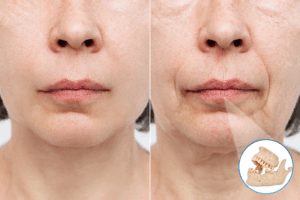
One of the most visible and immediate effects of tooth loss is the impact on your appearance and smile. Losing a front tooth can cause noticeable gaps, disrupting facial harmony and reducing your confidence when communicating or smiling.
Even missing molars, though less visible, can lead to sunken cheeks and sagging skin, causing premature aging. Over time, this can significantly change your facial structure, making you appear older than you actually are.
1.2 Jawbone Loss and Premature Aging
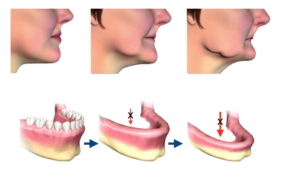
When a tooth is missing, the jawbone beneath it no longer receives the natural stimulation from chewing. Over time, this leads to bone resorption or loss, which can alter the structure of your face. The cheeks may collapse inward, skin may become loose, and wrinkles can appear — all signs of premature aging caused by missing teeth.
Worse yet, jawbone loss makes future dental restorations more difficult, especially with implant procedures, which require sufficient bone density. That’s why delaying tooth replacement is not advisable.
1.3 Impaired Chewing and Digestion
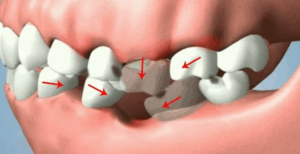
Teeth play a vital role in chewing and breaking down food. Losing a molar, for instance, can drastically reduce your ability to chew properly. This may force you to chew primarily on one side, causing muscle fatigue, uneven bite pressure, and even temporomandibular joint (TMJ) disorders.
Inefficient chewing also places stress on the digestive system, since poorly chewed food is harder to process. This can eventually lead to gastrointestinal problems such as indigestion, ulcers, or even malabsorption.
1.4 Increased Risk of Oral Diseases
Tooth loss creates a gap in the dental arch that can cause neighboring teeth to shift or tilt, disturbing your bite alignment. These new spaces become difficult to clean, making it easier for plaque and bacteria to accumulate, which increases the risk of gum disease, cavities, and chronic bad breath.
In the long run, an unbalanced bite and missing teeth can place strain on the jaw joint, leading to jaw pain and inflammation.
2. Popular Tooth Replacement Options Today
Thanks to advances in modern dentistry, there are now several highly effective solutions for restoring lost teeth. Joy International Dental Clinic is pleased to offer three of the most popular and reliable methods:
2.1 Removable Dentures
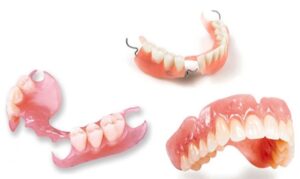
Removable dentures are a traditional method of tooth replacement, often used by older patients or those missing multiple teeth. These dentures are made of acrylic or metal frameworks and can be easily taken out and put back in.
The biggest advantages of dentures are their affordability and accessibility. They are especially suitable for elderly patients who have experienced extensive tooth loss. The procedure is simple, non-invasive, and can be completed quickly.
However, dentures may not provide the best chewing experience. Over time, they can become loose and uncomfortable, and they do not prevent jawbone loss.
2.2 Dental Bridges
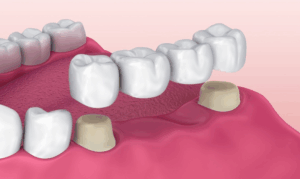
Dental bridges are another widely used method. This involves preparing the two adjacent teeth (by filing them down) to serve as anchors for a “bridge” that supports the replacement tooth in the middle.
Bridges offer excellent aesthetics and are more stable than removable dentures. They provide a natural feeling while chewing and can greatly improve your smile.
However, this method requires altering healthy adjacent teeth, which makes it a more invasive option. Over time, this can weaken your natural teeth. Like dentures, bridges do not prevent bone loss in the jaw.
2.3 Replace Missing Teeth Dental Implants
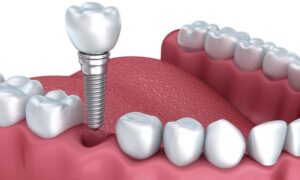
Dental implants are considered the most advanced and comprehensive tooth replacement solution. A titanium post is surgically placed into the jawbone to act as a replacement root, and a porcelain crown is then attached.
This method offers unmatched durability, functionality, and aesthetics. Implants are independent restorations that don’t affect surrounding teeth. They also help preserve the jawbone and maintain your facial structure, preventing premature aging. With proper care, implants can last for decades or even a lifetime.
However, implants do come with a higher cost and require skilled professionals and advanced equipment. That’s why choosing a trusted dental clinic, like Joy International Dental, is crucial.
3. When Should You Replace a Missing Tooth?
The ideal time to replace a tooth after extraction depends on your oral condition and the method of restoration. According to the experts at Joy International Dental Clinic, the golden window is usually between 1 to 3 months after extraction — once the site has fully healed.
For dental implants, the dentist will assess bone density. If conditions are favorable, the procedure can be done as early as 6–8 weeks after tooth removal.
In cases of emergency extraction due to infection or inflammation, full recovery and proper assessment are necessary before any restorative procedures can be performed.
Delaying replacement can lead to bone loss and more complex, costly treatment in the future.
Conclusion
In short, not replacing a missing tooth can result in various serious consequences — from aesthetic issues and chewing problems to bone loss and increased risk of disease. Therefore, if you or a loved one has lost a tooth, don’t delay! Visit a reputable dental clinic for consultation and treatment as soon as possible.
At Joy International Dental Clinic, we are committed to providing high-quality, modern dental care tailored to your needs. If you have any questions or concerns, feel free to contact our hotline for personalized advice and support.