

The question of what are implant based removable dentures is attracting considerable attention. This method offers stability and convenience for individuals who have lost multiple teeth or all their teeth, improving chewing function, aesthetics, and comfort compared to traditional dentures. Let’s Joy Dental Clinic explore this method in detail and the outstanding benefits it offers.
1. What are implant based removable dentures?
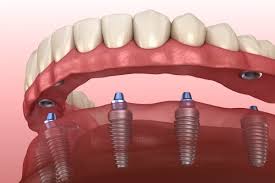
Removable implant-supported dentures represent a restorative dental method combining removable dentures with modern implant technology. This method is also known as All-on-4 or All-on-6 implants. Simply put, instead of implanting each missing tooth individually, you only need four to six implants per arch (upper or lower jaw) combined with a removable denture. This allows for rapid restoration of an entire arch of teeth.
The process begins with the dentist surgically placing implants into your jawbone. After a period of healing, during which the bone integrates with the implants (osseointegration), the removable denture is attached. The two components are connected using attachments and locking mechanisms. This method is typically suitable for elderly individuals, those who have lost all their teeth, or those with severe bone loss.
The level of improvement and restoration achieved with removable implant-supported dentures depends on various factors, including individual physiology. Therefore, it’s advisable to consult reputable dental clinics for examination and personalized advice.

2. The Most Common Types of Removable Implant-Supported Dentures
2.1 Implant based removable dentures with a Bar Attachment
This type of denture features a fixed metal bar. The implants are connected by this bar, increasing the denture’s stability and strength during chewing.
The most significant advantage is high stability, providing a realistic feel comparable to natural teeth. This type is frequently used in All-on-4 or All-on-6 implant procedures. However, it comes at a higher cost. The bar attachment provides superior retention and distributes biting forces more evenly across the implants, minimizing stress on individual implants and the surrounding bone. This even distribution helps to preserve bone health and prevent bone loss over time. The bar also simplifies the process of attaching and detaching the denture for cleaning, making maintenance more convenient for the patient.

2.2 Implant-Supported Dentures without a Bar Attachment
Dentures without a bar are directly connected to the implants via abutments. This method offers the advantage of a lower cost and easier cleaning. The absence of the bar allows for a simpler denture design, potentially reducing bulk and improving comfort for some patients. Cleaning is also generally easier as there are fewer crevices for food particles to become trapped.
However, the stability of this type cannot match that of dentures with a bar attachment. This type is often more suitable for individuals who have lost fewer teeth or have non-contiguous tooth loss. While less stable than bar-retained dentures, these overdentures still offer significantly improved stability compared to traditional dentures that rely solely on gum tissue for support. They provide increased chewing efficiency and improved speech clarity compared to conventional dentures.
3. Advantages and Disadvantages of Removable Implant-Supported Dentures
3.1 Outstanding Advantages
- Exceptional Stability and Security: The most prominent advantage of this method is its stability and security. With the firm support of the implant posts, the denture adheres more securely to the bone, preventing slippage or movement during chewing.
- Improved Chewing Function: Compared to traditional dentures that rely solely on gum support, this method significantly improves chewing ability, almost matching natural teeth. This allows you to enjoy a wider variety of foods without worry.
- Preservation of Bone Structure: The implant posts act like natural tooth roots, minimizing bone loss (resorption). This helps maintain the facial structure and prevents a sunken or aged appearance. Bone loss is a natural consequence of tooth loss, and implants are the only tooth replacement option that directly addresses this issue.
- Ease of Cleaning: As these are removable dentures, cleaning becomes much easier and simpler. This prevents bad breath and gum disease. With proper care, these dentures can last for many years, even a lifetime. The ability to remove the denture facilitates thorough cleaning of both the denture and the implants, promoting optimal oral hygiene.
- Enhanced Aesthetics: Implant-supported dentures provide a more natural-looking and feeling restoration compared to traditional dentures. They help restore facial contours and improve self-confidence.
3.2 Some Disadvantages
- Longer Treatment Time: The time required from implant surgery to complete restoration with the implant-supported denture is relatively long. This is because you need to wait for the implants to integrate with the bone and become stable. Osseointegration is a crucial process that typically takes several months.
- Higher Cost: Compared to conventional removable dentures, the cost of implant-supported dentures is higher. However, the long-term benefits they provide justify the investment for many patients. While the initial investment is higher, the long-term benefits, such as improved oral health, chewing function, and quality of life, often outweigh the higher upfront cost.
- Potential for Complications: Like any surgical procedure, implant surgery carries a small risk of complications, such as infection, swelling, or discomfort after surgery. However, these complications are rare and easily managed by experienced dentists. Choosing a qualified and experienced implantologist minimizes the risk of complications.
4. How to Clean Removable Implant-Supported Dentures
Because these are removable dentures, oral hygiene is relatively simple. However, you should still keep the following in mind:
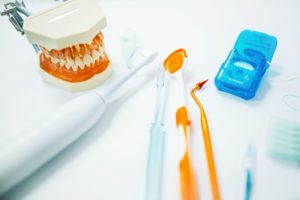
- Even though they are dentures, you still need to use a toothbrush and toothpaste to clean them daily. Use a soft-bristled brush and non-abrasive toothpaste to avoid scratching the denture material.
- Soak the denture in a specialized cleaning solution for about 15 to 20 minutes each day, or overnight, to kill bacteria and yeast and prevent bad breath. Denture cleansers are specifically formulated to remove plaque and stains without damaging the denture material.
- Avoid using strong cleaning agents, as they can wear down and damage the dentures, reducing their lifespan. Harsh chemicals can also discolor the denture material and irritate the oral tissues.
- Note that hot water can deform your dentures, so never soak them in hot water.
- You should also visit the dentist for regular check-ups and oral health examinations to detect and treat any potential problems early. Regular professional cleanings are also recommended to remove plaque and tartar buildup from the implants and surrounding tissues.
Conclusion
In summary, removable implant-supported dentures are an optimal solution for people with tooth loss, helping restore chewing function and a beautiful smile. At Joy International Dental Clinic, we are committed to providing quality services at reasonable costs. Contact Joy International Dental Clinic today for a free consultation about removable implant-supported dentures.