

Teeth whitening powder is a popular cosmetic dental method. But do you truly understand what this substance is and its advantages and disadvantages? Today, Joy International Dental Clinic will delve deeper into this topic through the following article.
1. What is Teeth Whitening Powder?
Teeth whitening powder is a fine-grained oral care product designed to remove yellow stains and discoloration from the tooth surface, resulting in a brighter smile.
The primary components of these powders typically include mild abrasives such as baking soda (sodium bicarbonate) and silica; whitening agents (either chemical like low-concentration peroxides or natural like activated charcoal); foaming agents; flavoring agents; and sometimes added fluoride, antibacterial substances, or herbal extracts.
In essence, teeth whitening powder improves tooth color by eliminating plaque and surface stains. However, its effectiveness depends on various factors, and caution is advised during use to prevent enamel abrasion. It’s also important to remember that this powder does not replace daily oral hygiene practices.

2. Advantages and Disadvantages of Teeth Whitening Powder
2.1 Notable Advantages of Teeth Whitening Powder
- Convenience and Ease of Use: Teeth whitening powder is typically simple to use. You simply mix it with water or toothpaste and brush as usual. This makes it easy for users to perform the whitening process at home without needing to visit a dental clinic.
- Cost-Effectiveness: Compared to professional teeth whitening methods at dental clinics, whitening powder is generally more affordable, making it accessible to a broader range of individuals.
- Removal of Mild Stains: This type of powder can effectively remove mild yellow stains on the tooth surface caused by food, beverages (such as coffee, tea, and red wine), or tobacco use.
- Natural Ingredients: Many whitening powders on the market today are formulated with natural and gentle ingredients. These include activated charcoal, baking soda, and various herbal extracts. These natural components are often considered safer and less likely to cause adverse effects on oral health when used correctly.

2.2 Disadvantages of Teeth Whitening Powder
- Requires Consistent Use and Patience: Unlike professional treatments that deliver immediate results, whitening powders require consistent use over time to produce noticeable changes. You will likely not see significant results after just one use.
- Potential for Enamel Abrasion: Some whitening powders contain abrasive substances designed to remove plaque and stains. However, these abrasives can also wear down tooth enamel if used too frequently or with excessive force. This can lead to increased tooth sensitivity and discomfort during eating and drinking.
- Possible Gum Irritation: Certain ingredients in whitening powders can irritate the gums, especially in individuals with sensitive gums or existing gum conditions.
- Ineffective on Severe Stains: Whitening powders are generally not very effective for intrinsic stains caused by antibiotics (like tetracycline) or genetic factors. These types of stains often require professional intervention.
- Uneven Whitening: Because it’s a self-administered home treatment, inconsistent application can lead to uneven whitening or blotchy tooth color.
- Lack of Scientific Evidence: While some ingredients in whitening powders have known cleaning properties, the overall effectiveness of many products hasn’t been rigorously tested through scientific studies.
3. Popular Teeth Whitening Powder Brands
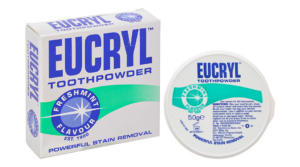
3.1 Eucryl Toothpowder (UK):
Originating from the UK, Eucryl is known for its effective cleaning and plaque removal capabilities, primarily due to its calcium carbonate and baking soda content. Its affordable price and widespread availability are additional benefits. However, overuse can lead to tooth sensitivity due to its abrasive nature. It’s recommended to use it 2-3 times a week in conjunction with regular toothpaste.
3.2 Smile Up Teeth Whitening Powder (Japan):
Smile Up, a Japanese brand, emphasizes product safety and gentleness. Its formula often includes natural ingredients such as hydroxyapatite (which helps remineralize enamel), baking soda, and herbal extracts. This makes it less likely to cause sensitivity compared to other powders and suitable for most teeth, including sensitive ones. However, this product tends to be more expensive, and the whitening process might be slower as it lacks chemical bleaching agents.

3.3 Nelly P Teeth Whitening Powder (Vietnam):
This Vietnamese-made powder is very affordable, making it accessible to a wide range of consumers. Its main ingredients include activated charcoal, baking soda, and various herbal extracts. It is effective in removing plaque and surface stains. However, due to the presence of activated charcoal, users should be mindful of usage frequency to avoid enamel abrasion. It’s recommended to use it 1-2 times a week.

4. Important Considerations When Using Teeth Whitening Powder
Before using any whitening powder, it’s highly recommended to consult with a dentist. They can assess your specific needs and recommend the most suitable product and treatment plan to avoid harming your enamel.
After choosing a suitable powder, carefully read the ingredient list and usage instructions. Avoid purchasing low-quality or counterfeit products.
Before applying the powder to your entire mouth, test it on a small area to check for any allergic reactions or irritation. If you experience any discomfort, such as sensitivity, stop using it immediately.
During use, strictly adhere to the manufacturer’s instructions and use an appropriate amount. Avoid overuse, as this can lead to enamel erosion.
Use a soft-bristled toothbrush and brush gently in circular motions across the tooth surfaces. Avoid scrubbing horizontally or with excessive force to prevent gum and tooth damage.
5. Further Expanding the Content:
- Understanding Abrasivity: The Relative Dentin Abrasivity (RDA) scale measures how abrasive a toothpaste or powder is. Look for products with a lower RDA value to minimize enamel wear.
- The Role of Fluoride: Fluoride is crucial for remineralizing enamel and preventing cavities. Ensure your regular toothpaste contains fluoride.
- Managing Sensitivity: If you experience sensitivity, consider using a toothpaste designed for sensitive teeth or reducing the frequency of whitening powder use.
Conclusion
As discussed by Joy International Dental Clinic, at-home teeth whitening powder can offer noticeable results. However, selecting the right product and using it correctly is crucial. Remember to prioritize your overall oral health and consult with a dental professional for personalized advice. If you have any further questions, please leave a comment below for further assistance. For the highest quality dental services and expert guidance, visit Joy International Dental Clinic and achieve the healthy, beautiful smile you deserve.