

What are the implications of not replacing a missing permanent tooth? Losing a permanent tooth is a matter often overlooked, leading to unfortunate consequences later in life. Each tooth plays a vital role in chewing, aesthetics, and overall oral health. This article by Joy International Dental Clinic aims to shed light on the effects of permanent tooth loss when not addressed promptly and introduce effective restoration methods.
1. The Ramifications of Leaving Permanent Tooth Loss Untreated
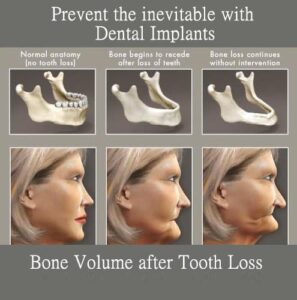
1.1 Not replacing a missing permanent tooth cause Bone Loss and Premature Aging
When a tooth is lost, the chewing force at that location disappears. The jawbone requires even distribution of force to maintain its density and structure. Without this stimulation, the bone gradually deteriorates and recedes. This process occurs relatively quickly and often without noticeable early signs, leading many to disregard it, especially in the initial months following tooth loss.
As the jawbone resorbs, the volume of the cheek area also diminishes, resulting in sunken cheeks and a gaunt appearance. This alters facial structure, causing sagging and a prematurely aged look. This bone loss doesn’t just affect appearance; it also compromises the stability of adjacent teeth and makes future dental implant placement more complex.
1.2 Severe Impact on Chewing Function
Teeth are crucial for biting, tearing, and grinding food. Losing teeth, especially molars, significantly impairs the ability to chew food effectively. This forces the stomach to work harder for digestion, potentially leading to digestive issues like indigestion, bloating, stomach pain, and even intestinal problems.
Individuals with missing teeth often struggle with hard, chewy, or foods requiring strong biting force, such as meat, raw vegetables, and nuts. This can lead to an unbalanced diet and nutritional deficiencies, significantly impacting daily life and overall health. Proper chewing also stimulates saliva production, which aids in digestion and helps neutralize acids in the mouth, protecting against tooth decay.
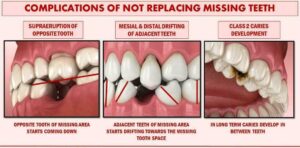
1.3 Increased Risk of Oral Diseases
The gap created by a missing tooth provides an ideal environment for food particles and bacteria to accumulate. This makes oral hygiene more challenging and increases the risk of periodontal diseases like gingivitis and periodontitis. These conditions, if left untreated, can further damage the supporting structures of the teeth, leading to further tooth loss. The imbalance in the bite caused by missing teeth can also contribute to temporomandibular joint (TMJ) disorders, causing jaw pain, headaches, and clicking or popping sounds in the jaw joint.
2. When is Permanent Tooth Extraction Necessary?
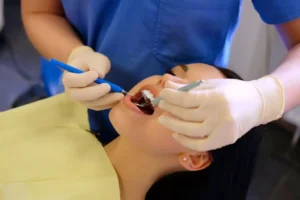
Extracting a permanent tooth is a significant decision and usually the last resort for dentists when no other method can save the tooth. Here are instances where extraction becomes necessary:
- Extensive Tooth Decay: When decay has destroyed a significant portion of the tooth structure, reaching the pulp and causing severe pulpitis (inflammation of the pulp) with intense pain, and root canal treatment is no longer effective, extraction is necessary to prevent infection from spreading to other teeth.
- Severe Periodontal Disease: Periodontal disease, often overlooked, can lead to bone loss around the tooth, causing it to become severely loose. In these cases, extraction is the only way to protect the surrounding teeth.
- Trauma or Injury: External impacts like accidents or injuries can cause tooth loss. If the tooth cannot be restored or saved, extraction is required.
- Impacted Teeth: Teeth that fail to erupt properly, such as impacted wisdom teeth, can cause pain, infection, and damage to adjacent teeth, often requiring extraction.
- Orthodontic Reasons: In some cases, teeth may need to be extracted to create space for orthodontic treatment to correct bite problems or overcrowding.
3. The Most Common Tooth Restoration Methods
3.1 Removable Dentures
Removable dentures are a cost-effective option, particularly for complete tooth loss and suitable for elderly patients. These dentures are typically made of acrylic or a combination of acrylic and metal.
While they are easy to remove and clean, helping prevent tooth decay due to inadequate hygiene, they lack stability, causing discomfort during eating. They also do not address bone loss. Dentures can also affect speech and may require adjustments over time as the jawbone continues to change.
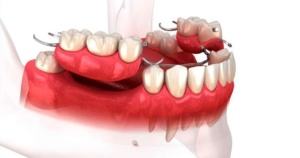
3.2 Dental Bridges
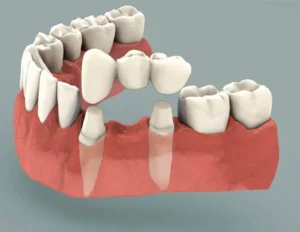
Dental bridges are used for replacing one or a few adjacent missing teeth. The procedure involves preparing (shaping) the adjacent teeth to serve as anchors for the bridge.
Bridges offer good aesthetics and improve chewing function. However, this is an invasive procedure requiring the alteration of healthy teeth and does not prevent bone loss. The lifespan of a bridge is also limited, typically 5-10 years.
3.3 Dental Implants
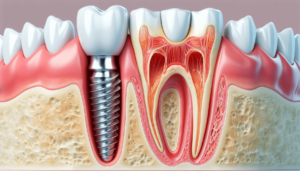
Dental implants are the most durable and optimal solution for restoring missing teeth. They involve surgically placing a titanium implant post into the jawbone to replace the lost tooth root, followed by attaching a dental crown. This provides all the necessary functions of a natural tooth.
Implants offer high durability, stability, prevent bone loss, provide the best improvement in chewing function, and offer excellent aesthetics. However, they are more expensive and require a longer treatment time. They also require sufficient bone volume and density for successful placement.
Conclusion
Permanent tooth loss not only affects aesthetics but also causes serious consequences for oral health and quality of life. If you are experiencing this, seek appropriate tooth restoration methods to protect your health. For expert advice and care, contact Joy International Dental Clinic—a trusted resource for addressing permanent tooth loss.
This expanded version provides more detail on the consequences of tooth loss, the reasons for extraction, and the pros and cons of each restoration method. It also emphasizes the importance of seeking professional dental care.