

The question, “Is it possible to replace teeth lost years ago?” is a common concern, especially for those experiencing this issue. At Joy International Dental Clinic, we understand that tooth loss impacts not only aesthetics but also overall health and quality of life. This article addresses this concern and provides optimal solutions. Let’s explore.
1. Causes of Tooth Loss
Tooth loss is a significant concern for many, affecting both appearance and overall oral health. Several factors contribute to this condition, each with its own consequences.
One of the most prevalent causes is tooth decay (dental caries). This silent enemy gradually erodes tooth structure from within if left untreated. Bacteria in plaque convert sugars into acids that dissolve enamel, the hard outer layer of the tooth. Over time, this can lead to cavities, and if the decay reaches the pulp (the inner part of the tooth containing nerves and blood vessels), it can cause severe pain and ultimately tooth loss.
Periodontal disease (gum disease) is another significant culprit. This infection affects the gums and bone that support the teeth. In its early stages (gingivitis), it may present with red, swollen, or bleeding gums. If left untreated, it can progress to periodontitis, where the gums pull away from the teeth, forming pockets that become infected. This can lead to bone loss, eventually causing teeth to loosen and fall out.
Accidents and injuries are also common causes of sudden tooth loss. Sports injuries, falls, or other traumas can result in teeth being knocked out (avulsed) or fractured beyond repair. Prompt dental attention is crucial in these situations to potentially save the tooth or explore appropriate replacement options.
Sometimes, seemingly harmless habits contribute to tooth loss. Bruxism (teeth grinding or clenching), often occurring during sleep, can put excessive force on teeth, leading to wear, fractures, and even tooth loss. Consuming excessively hard foods or neglecting proper oral hygiene practices, such as brushing and flossing, can also increase the risk of tooth decay and gum disease, ultimately leading to tooth loss.
Aging is a natural factor that increases the risk of tooth loss. As we age, the supporting structures of the teeth, including the gums and bone, can weaken, making teeth more susceptible to decay, gum disease, and loss. Certain medical conditions and medications can also contribute to tooth loss in older adults.
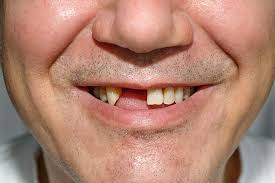
2. Consequences of Untreated Tooth Loss
Tooth loss is more than just a cosmetic issue. If left untreated, it can lead to several serious consequences:
Facial structure changes are a common consequence. When a tooth is lost, the underlying jawbone no longer receives stimulation from chewing. This can lead to bone resorption, where the bone gradually deteriorates. This bone loss can cause the face to appear sunken or aged, with the cheeks becoming hollow and the jawline less defined. The empty space created by the missing tooth can also cause adjacent teeth to shift or drift, leading to misalignment of the bite (malocclusion) and potential jaw pain or discomfort.
Tooth loss also impacts the digestive system. When the ability to chew food properly is compromised, the stomach has to work harder to break down larger food particles. This can lead to digestive problems such as indigestion, bloating, or stomach pain.
Speech can also be affected by tooth loss, especially missing front teeth. The position of the teeth plays a crucial role in forming certain sounds, and missing teeth can make it difficult to pronounce words clearly, leading to speech impediments.
The loss of a tooth also redistributes the biting forces across the remaining teeth. This added stress can lead to increased wear and tear, chipping, or even fractures of the remaining teeth. The temporomandibular joint (TMJ), which connects the jawbone to the skull, can also be affected, leading to TMJ disorders characterized by jaw pain, headaches, and clicking or popping sounds in the jaw.

3.Can Long-Term Tooth Loss Be Restored?
Long-term tooth loss is a significant concern, with many fearing that replacement is impossible. Fortunately, advancements in modern dentistry have made restoring lost teeth, even after many years, not only possible but also highly effective. Modern techniques can help restore nearly all the function and natural beauty of your smile.
However, the primary challenge in long-term tooth loss is often bone loss in the jaw. When a tooth is missing for an extended period, the jawbone at that site begins to resorb. This bone loss can make it challenging to place dental implants, which require sufficient bone density for support. In such cases, bone grafting or sinus lifts may be necessary to create a stable foundation for the new tooth.
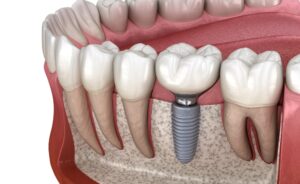
Modern methods like dental implants are considered the gold standard for tooth replacement. They replace the missing tooth and stimulate bone growth, preventing further bone loss. Dental implants are small titanium posts surgically placed into the jawbone, acting as artificial tooth roots. Once the implant fuses with the bone (osseointegration), a custom-made crown is attached, providing a complete restoration in terms of both aesthetics and function.
To achieve the best results, early consultation and advice from a dental specialist are essential. Each case is unique, and dentists will tailor treatment plans accordingly.
4. Effective Tooth Replacement Methods
4.1 Removable Dentures:
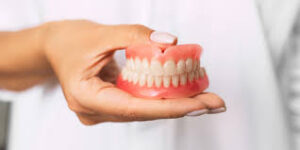
Removable dentures are a common and affordable option for replacing missing teeth, especially for those who have lost multiple teeth or all their teeth in one arch. Their flexible design allows for easy removal for daily cleaning. Dentures can improve both aesthetics and chewing function significantly.
However, dentures do not offer the same stability as implants. Over time, they can become loose and uncomfortable, especially in cases of significant bone loss. They can also affect speech and may require adjustments over time.
4.2 Dental Bridges fix
Dental bridges are another effective and widely used solution, best suited for those missing one or a few adjacent teeth, provided the adjacent teeth are healthy enough to serve as anchors.
Bridges restore chewing function and provide a natural appearance thanks to high-quality porcelain materials. However, a drawback is that adjacent healthy teeth must be reduced (prepared) to support the bridge, potentially affecting their long-term health. Bridges also do not prevent bone loss at the site of the missing tooth.
4.3 Dental Implants replace teeth lost years ago:
Known as the “gold standard” in modern tooth replacement, dental implants offer a comprehensive solution for missing teeth. They are suitable for almost all cases of tooth loss, including long-term tooth loss.
This method involves placing a titanium post into the jawbone, acting as an artificial tooth root. The implant provides stability and stimulates bone growth, preventing bone loss. After the implant integrates with the bone, a porcelain crown is attached, restoring both aesthetics and chewing function completely. Dental implants offer the closest possible replication of a natural tooth.
Conclusion
Through this article from Joy International Dental Clinic, you should now have a clearer understanding of whether long-term tooth loss can be restored. With constantly developing modern technology, long-term tooth loss can be effectively restored using various methods. If you have any further questions, please leave a comment below for the fastest response. Contact Joy International Dental Clinic today to schedule a consultation and learn more about your options for restoring your smile. We are dedicated to providing you with the highest quality care and helping you achieve a healthy, confident smile.